Begin from a workable base
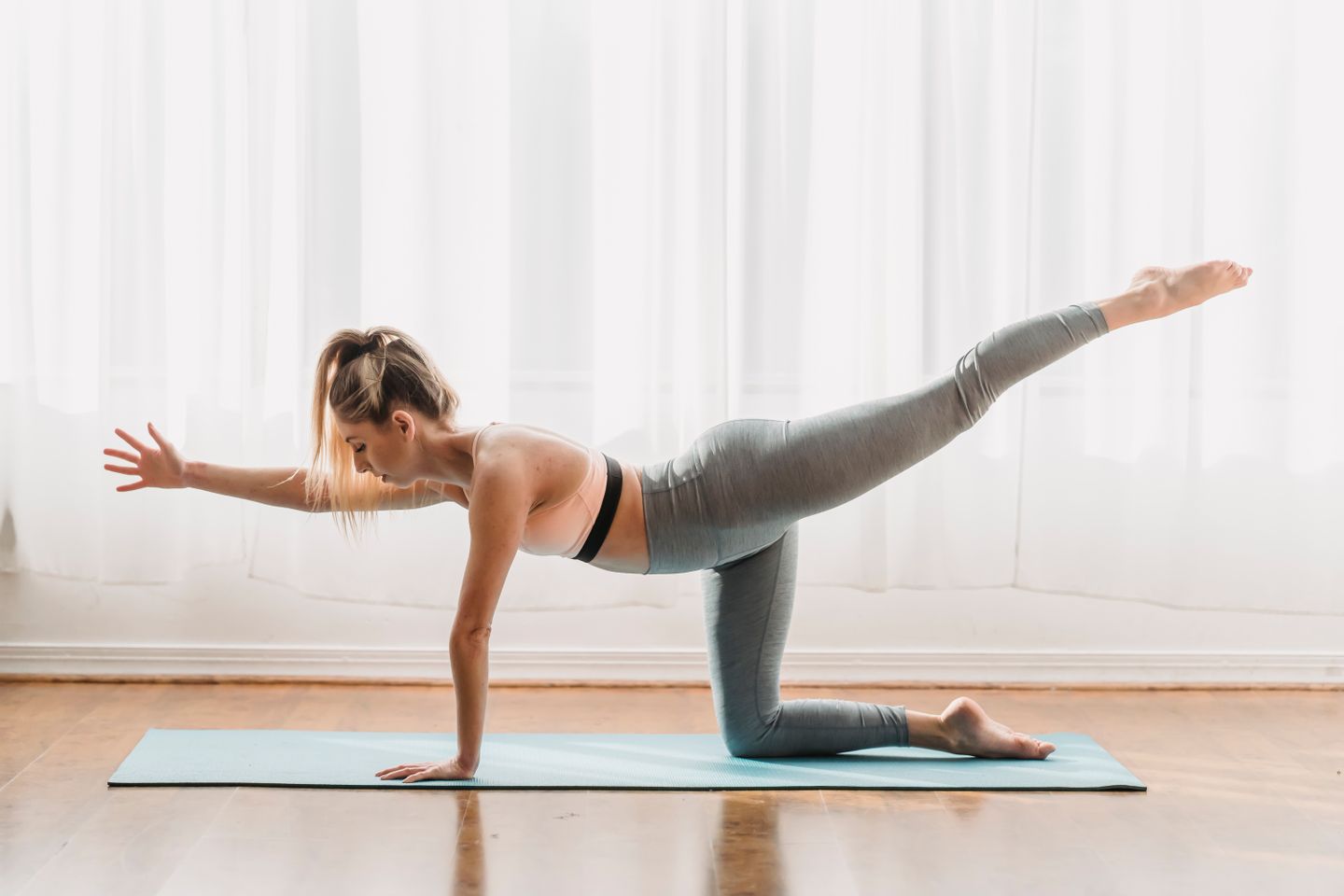
Use a hands-and-knees position only if it feels comfortable and easy to leave. Place your hands and knees on a steady surface, with space around you. Check the arrangement before adding movement. If floor contact is unwelcome, sit on a stable chair and begin with your hands resting on your thighs.
Let the first position be ordinary rather than trying to create a perfectly straight line. Keep your head comfortable and your gaze convenient for the setup. You are preparing for a small movement, so choose a base that does not already require more effort than you want for the exploration.
Try a little rounding
From the floor position, allow a small rounding through your back without pushing strongly through your hands. Your head can follow gently if that feels natural, but do not force your chin down. Make the change modest enough that returning to your initial shape feels straightforward and under your control.
Return before the movement becomes demanding. If seated, you can explore the idea by allowing a small softening forward through the upper body, then returning to an ordinary seat. The seated version need not reproduce the floor shape exactly; it offers another way to understand the contrast between positions.
Explore the opposite change gently
After returning, try a slight change in the other direction, allowing the front of the body to open a little. Keep the movement small and avoid dropping into a large arch or lifting your head sharply. There is no requirement to exaggerate either shape for the pair of movements to count.
In a chair, the opposite movement may be simply returning from the rounded version and sitting comfortably again. Keep breathing ordinary throughout. You do not have to link one shape to an inhale and the other to an exhale if that adds effort or makes the sequence harder to follow.
Choose repetition rather than chasing range
One gentle contrast can be enough. If you repeat, use the same modest range or make it smaller according to your preference. Pause in your starting position between changes, and leave the exercise if it feels awkward. Matching a demonstration's pace or depth is unnecessary for understanding the movement.
Return comfortably and leave the floor through a familiar route if needed. Remember the approachable version. Understanding the change and return matters more than producing a large curve.
A few common questions
Do the movements need a large curve?
No. Small changes can show the contrast.
Can I explore the idea while seated?
Yes. Use a small rounding and return from a comfortable chair.
Published by the Yogamila journal.